Certification for Nervous System Healthy Environments
An in-person assessment of your space across six domains — so the places where people work, heal, learn, and gather are easier to understand, easier to use, and kinder to the people in them.
Educate. Empower. Evolve.
Healthy spaces. Connected people.
Spaces shape the people in them.
Every physical environment sends signals — light, sound, layout, privacy, wayfinding, comfort.
These conditions make a space easier or harder for the people in it to navigate, tolerate, and use.
Most organizations never examine them. Unnecessary stressors quietly become part of daily experience.
An evidence-informed standard, physically assessed.
Lo-Key Learning's certification gives organizations a framework for examining environmental conditions, identifying unnecessary stressors, and making meaningful improvements.
The goal is not one universally "calming" aesthetic. It is environments that are easier to understand, more adaptable to different human needs, and more intentional about the experience they create.
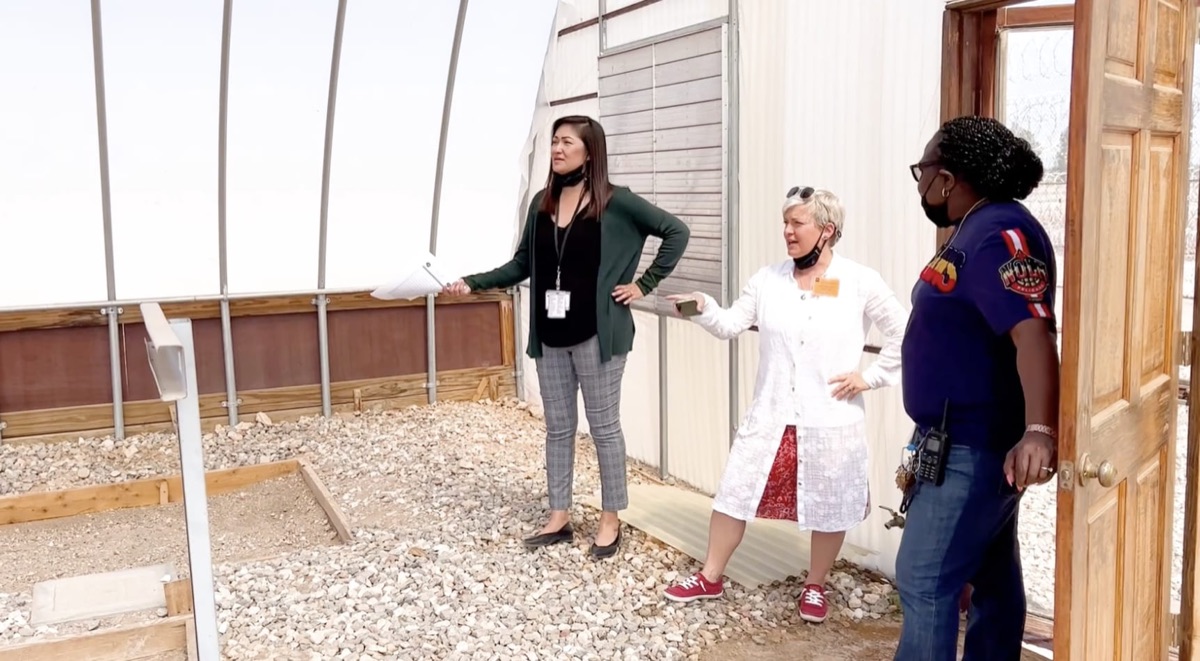
Every certified space is visited.
Sound, sensory load, lighting, movement through a space, and the combined effect of many factors cannot be evaluated through photographs or a video call. Every Lo-Key Certified environment has been physically assessed against the standard.
Everything included.
- Comprehensive in-person assessment across all six domains
- Detailed findings report with domain scores, strengths, and priorities
- Prioritized roadmap: quick wins, moderate, and longer-term improvements
- Certification at the Emerging, Growing, or Thriving level
- One focused reassessment after corrective improvements, when needed
- Official Lo-Key Certified recognition materials
- Permanent Founding 25 recognition
- Featured recognition across Lo-Key Learning digital channels
- Invitation to the Lo-Key Learning podcast where appropriate
- Future eligibility as a verified location on our discovery platform
Certification is earned — not purchased. You pay for the assessment; you earn the outcome.
Four steps to certification.
- 1
Scope Conversation
A brief conversation about your space, its size, and its complexity. You receive a fixed project price before anything begins.
- 2
In-Person Assessment
We physically walk and experience your environment against the six-domain standard. Sound, light, and flow cannot be judged from photos.
- 3
Findings & Roadmap
A detailed report with domain scores, strengths, and a prioritized plan for improvement.
- 4
Certification Level
Environments meeting the standard are certified Emerging, Growing, or Thriving. A focused reassessment is included if needed.
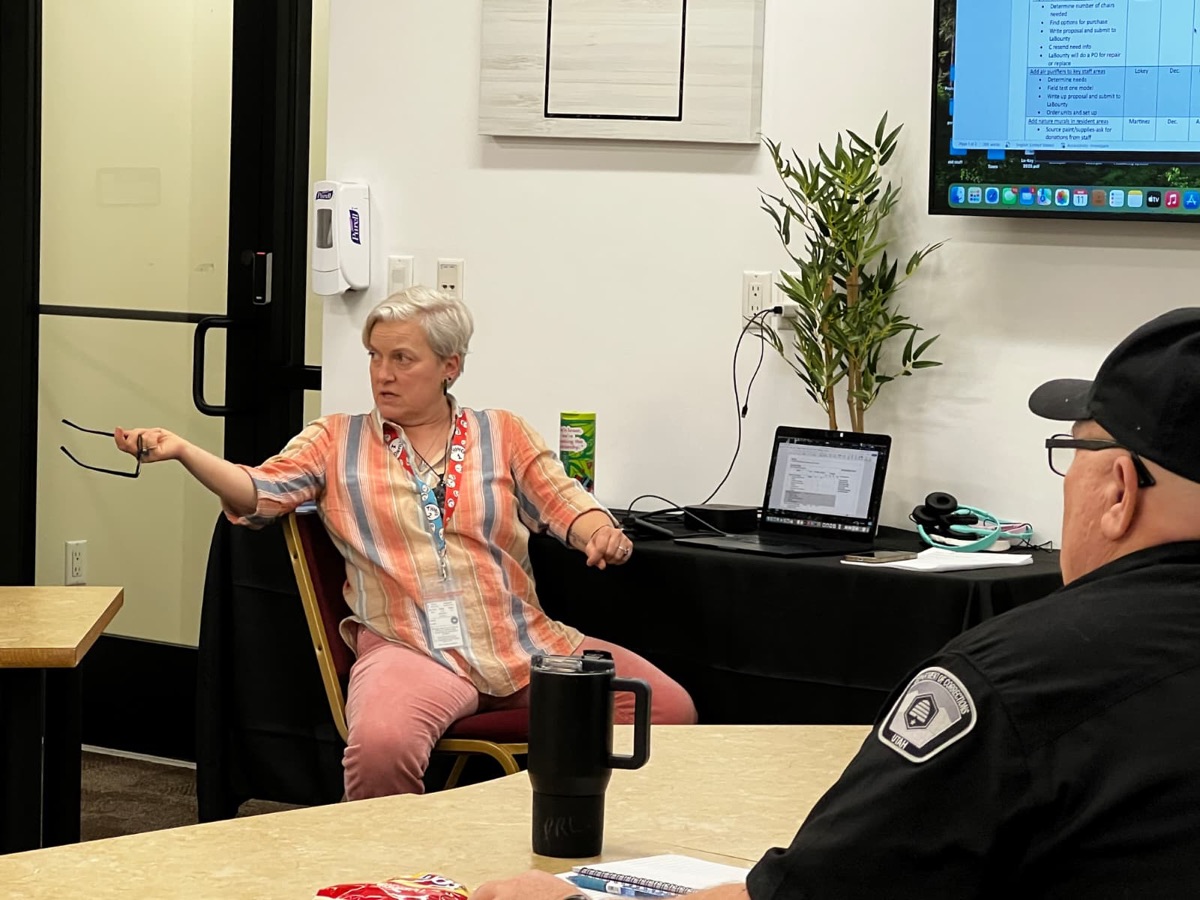
Walking teams through their roadmap, step by step.
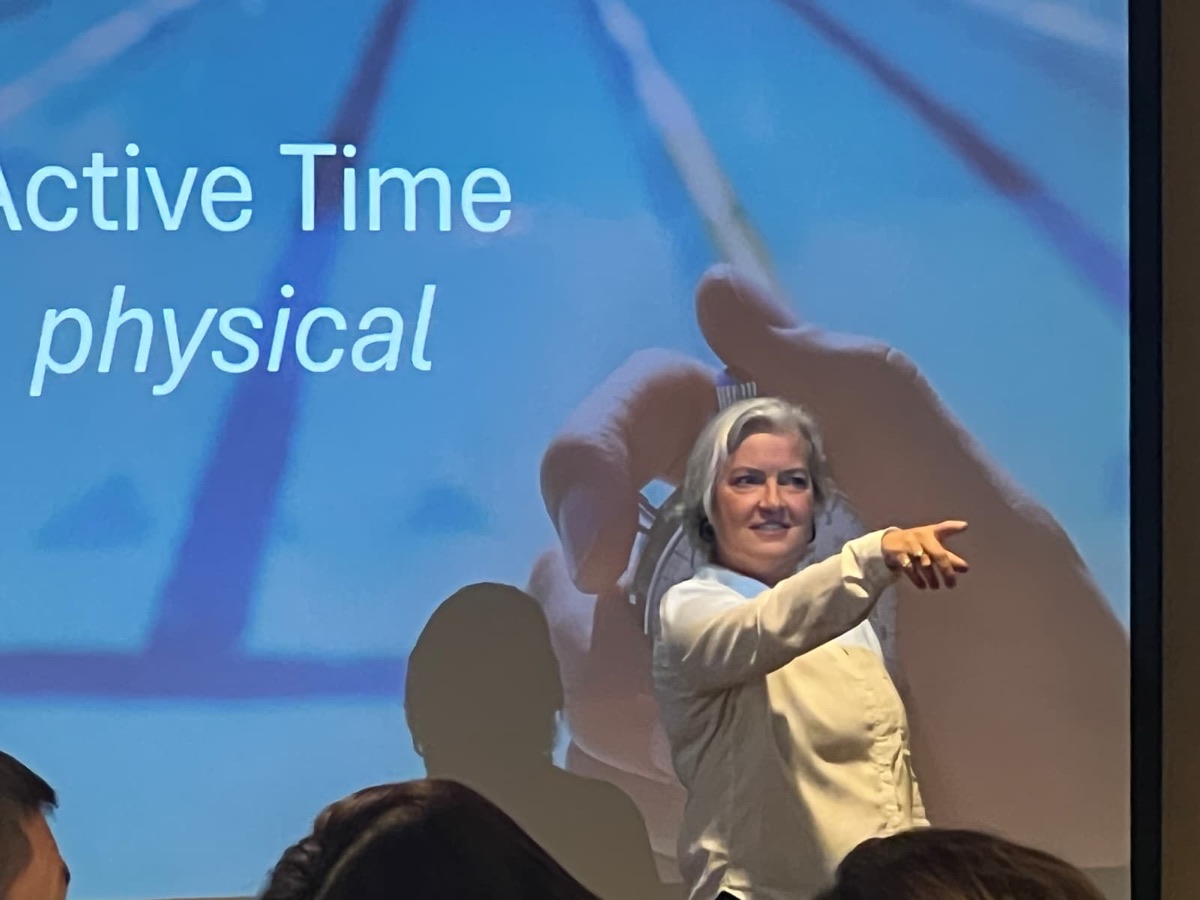
Sharing the science of environments and nervous systems.
What we assess.
Safety
Physical security, visibility, maintenance, welcoming entry, and proportionate safety messaging.
Sensory Regulation
Sound, lighting, glare, visual load, air quality, odors, and other sources of sensory demand.
Restoration & Regulation Supports
Access to nature, lower-stimulation options, opportunities to pause, and practical control over the environment.
Predictability & Orientation
How clearly people understand where to go, what to do, what to expect, and how changes are communicated.
Comfort
Physical fit, temperature, seating, rest, waiting conditions, hydration, and reasonable choice.
Accessibility & Inclusion
Physical and informational access, plain language, dignity, accommodations, and ease of asking for help.
The Founding 25
The first 25 organizations to earn certification will help establish a new network of Lo-Key Certified Nervous System Healthy Environments — with permanent recognition in the history of the program.
Cross-sector, by design.
Your environment does not need to be perfect. It needs an organization willing to look honestly and improve.
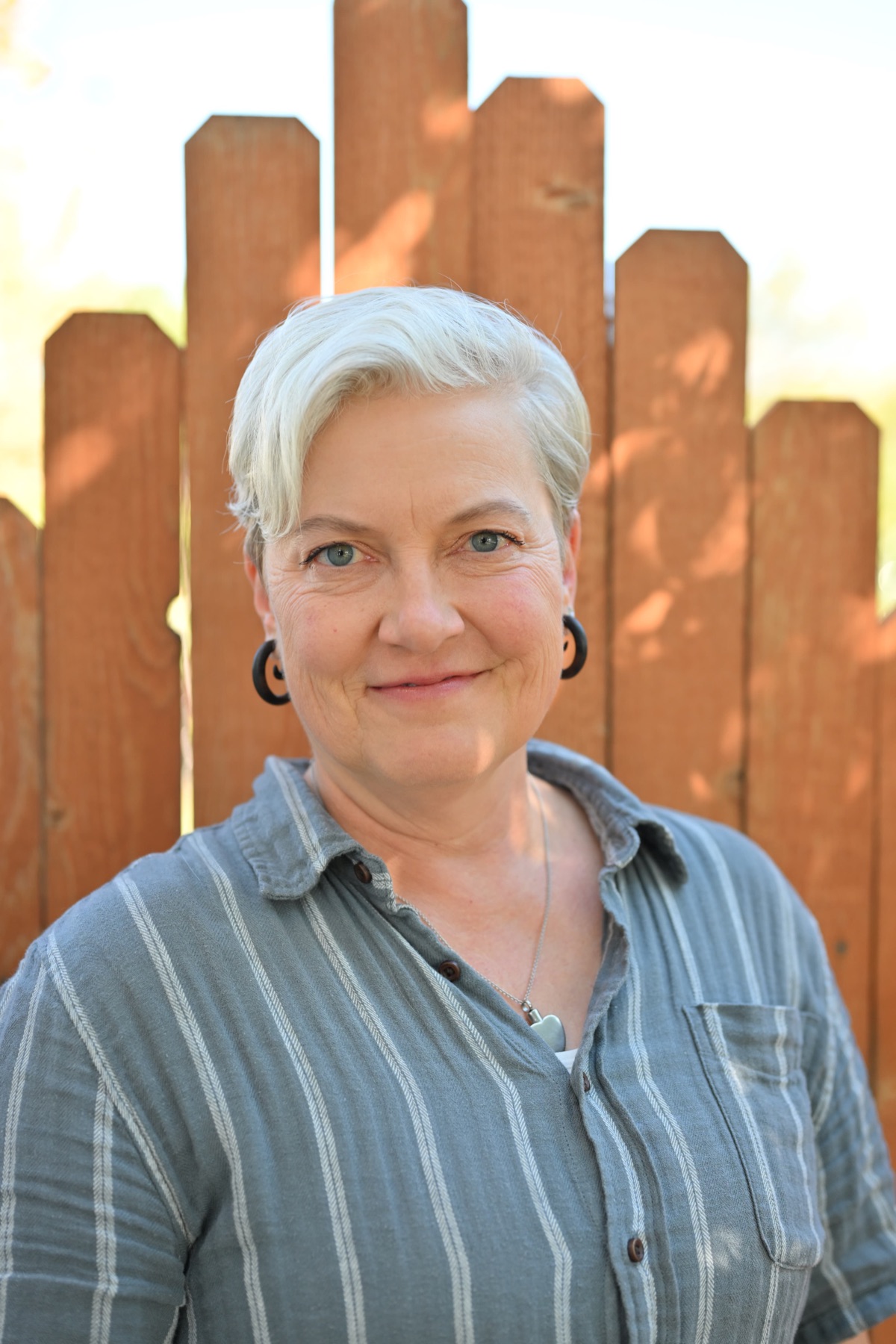
Cathryn Lokey, Ed.S
Educational psychologist, speaker, consultant, and author. Cathryn is the founder of Lo-Key Learning and creator of the Lo-Key Framework — dedicated to improving lives through mindfulness, wellness, and healthy communication.
Read her story and explore her content →Good to know.
Can I buy the certification?
No. You pay for the professional assessment and certification process, not an outcome. To be certified, an environment must meet our scoring requirements across the full assessment and within each domain.
What if we do not qualify the first time?
You receive clear findings and an improvement roadmap. Founding 25 participants can make corrective changes and complete an included focused reassessment.
What does it cost?
Founding 25 engagements begin at $2,500 for small, straightforward environments. Larger or more complex spaces receive a fixed quote after a scope conversation. Travel outside our local service area is quoted separately. No hidden fees.
Does my space need to be perfect first?
No. What matters is a willingness to look at the space honestly, learn from the assessment, and make meaningful improvements.
Is the assessment done remotely?
No. Initial assessments are conducted in person, because the combined experience of a space cannot be evaluated through photographs or a video call.
What does the certification not do?
It evaluates observable features of the physical environment. It does not diagnose trauma or dysregulation, certify medical or psychological outcomes, replace building or accessibility compliance review, or claim that any environment affects everyone the same way.
Help build what comes next.
The spaces around us matter. If your organization is ready to examine its environment and join a growing network of healthier spaces, let's talk.
Request a Scope Conversation